ON THE WATER / PACKING FOR A TRIP
What I Bring on a Crabbing Trip
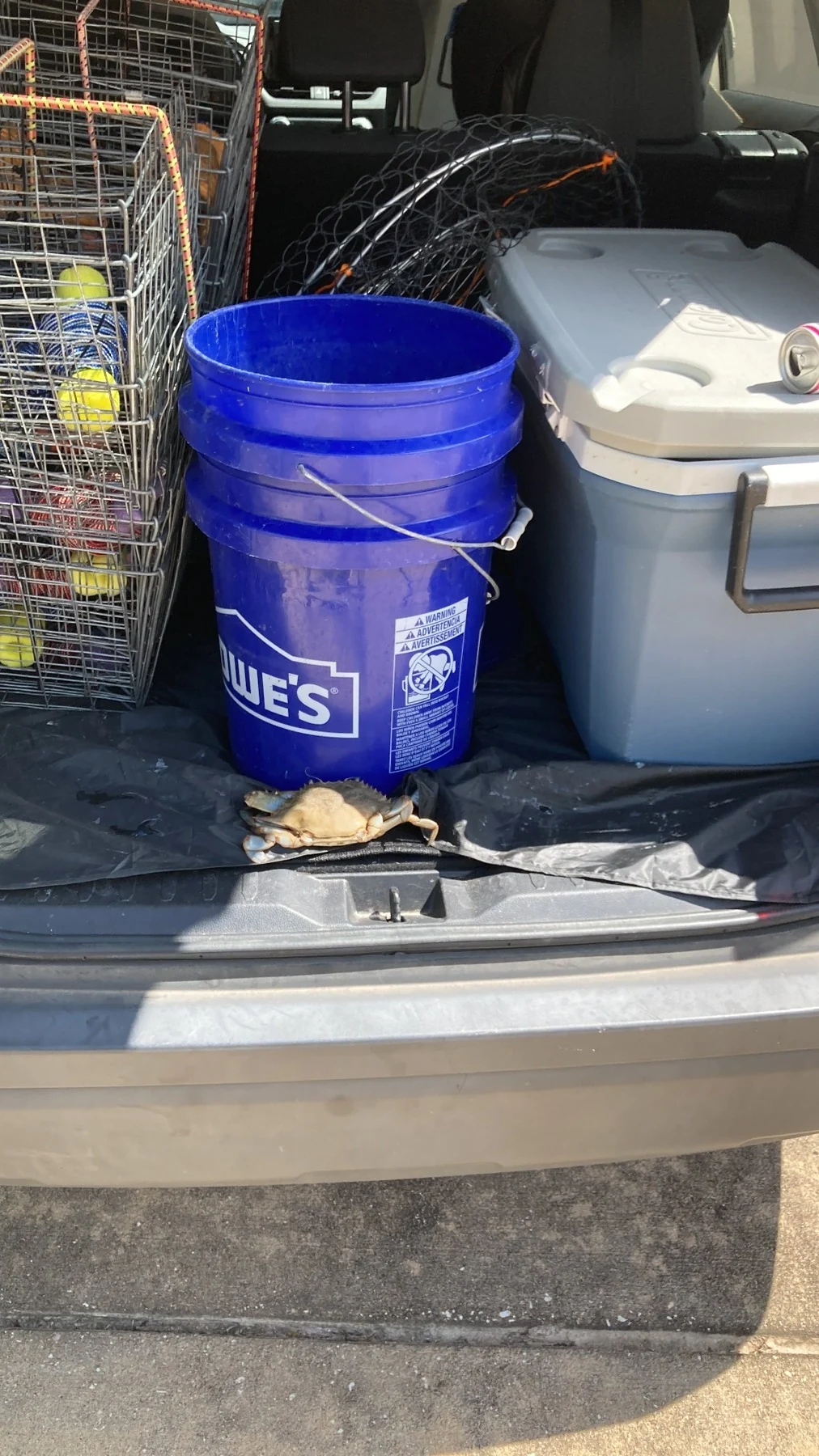
I keep my crabbing setup pretty simple. Everything fits nicely into the trunk of my RAV4. Most of it is gear for catching and carrying crabs, with a few things to make the morning more comfortable - especially when the kids come along.
Before we leave
I check the weather - rain, wind, and temperature - and the tide times for where we’re heading. I also make sure the car has a full tank of gas.
If the kids are coming, I check what facilities are available. Is there a restroom or portable toilet nearby? It’s a small detail that can make a big difference in how comfortably we can spend the morning there.
Choosing the spot matters, too. I’ve passed up places I’ve heard have good crabbing because I’m more concerned about encountering alligators or rattlesnakes there, particularly with the kids along.
I once unexpectedly pulled up an alligator in a trap at four in the morning. It scared the bejesus out of me and ripped the bait snood and chicken drumstick clean off the trap. Thankfully, I was by myself that morning.
How many crabs we might catch is only part of the decision. I also want somewhere I feel comfortable spending time with my family.
The crabbing gear
Traps. I usually reach for the open-panel traps I’ve written about before. Check them before heading out - it’s easier to deal with a loose connection or damaged panel at home than after carrying everything down to the water.
A bucket - or two - and a lid. I like having separate buckets so I can split the catch between them. Each one is lighter to carry up and down the pier, bank, or seawall.
It also means I’m less worried about losing the whole catch in one accident. I’ve knocked over a bucket and watched crabs escape before, unfortunately. A lid helps, too.
Turn an empty bucket upside down, and it doubles as a seat for my son when we haven’t brought a chair or blanket.
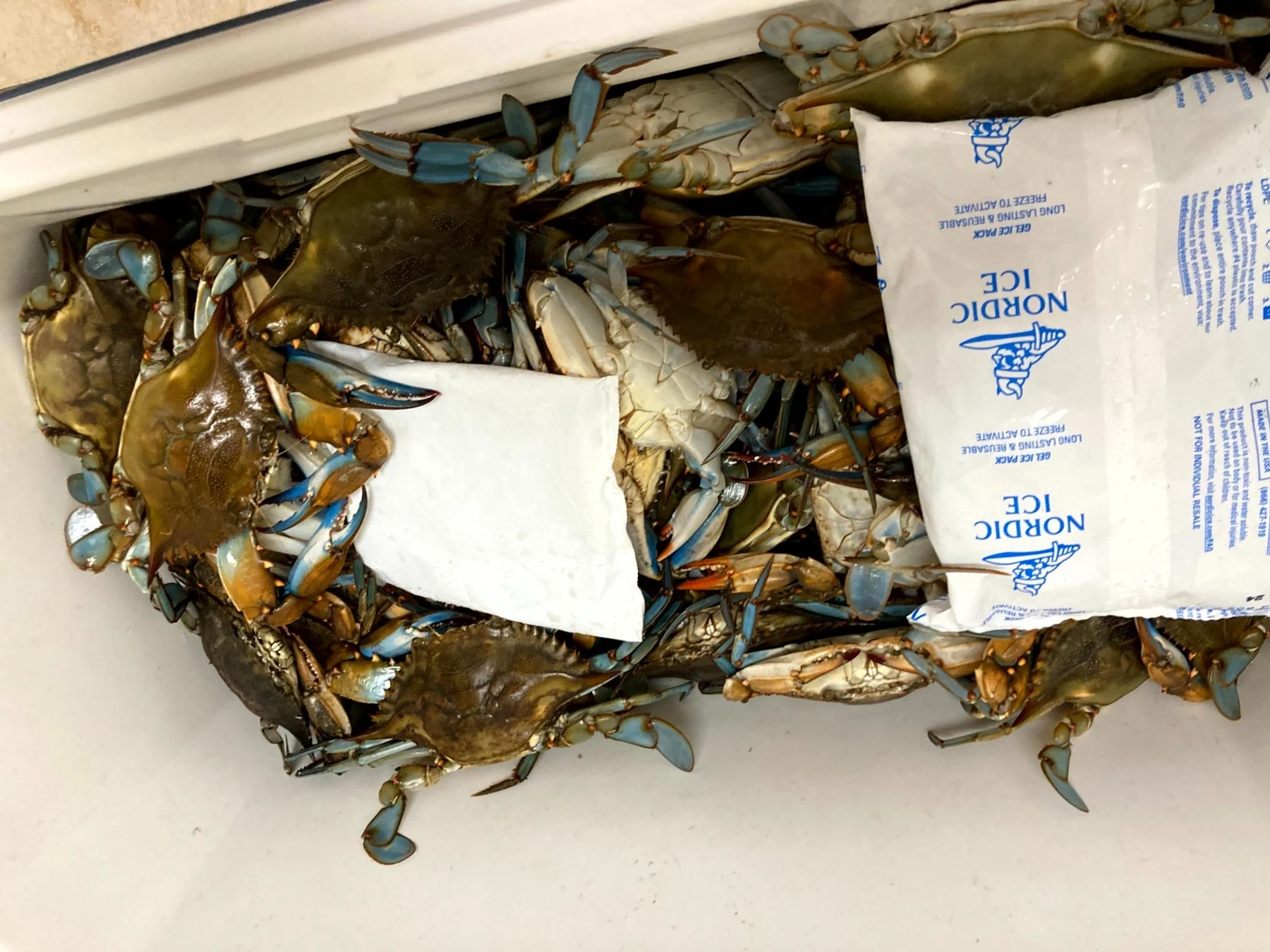
A cooler and ice packs. I reuse cold packs that arrive with medication shipments at the office. It keeps them out of the landfill a little longer.
Tongs. For handling the crabs more easily.
Gloves. Pulling traps can leave me with calluses or blisters. Gloves help.
Bait. Usually chicken necks or drumsticks. In my experience, crabs aren’t particularly picky. I’ve kept using pieces of skin or bony leftovers that looked almost picked clean - and still brought up crabs.
Preparing frozen bait. Start thawing it in the refrigerator the night before so it’s easier to work with in the morning.
A few zip ties. Worth bringing for small trap repairs, even if you’ve checked everything beforehand.
Staying comfortable
Shoes with really good grip. Especially when walking along a wet pier, bank, or seawall.
Long sleeves and pants. I recommend both for sun coverage and some extra protection from insects.
Sunscreen and mosquito repellent. Both usually come along. Remember to reapply sunscreen and follow the repellent’s label for reapplication.
A hat. Ideally with a wide brim and coverage for the back and sides of my neck.
Food and drinks. Usually packed with the kids in mind. Something to eat and drink helps when they’re ready for a break between checking traps.
Hand wipes. Especially useful after handling bait.
When the kids come along
I plan a few alternate activities in case the kids get bored. Physical books and audiobooks are easy options to bring along.
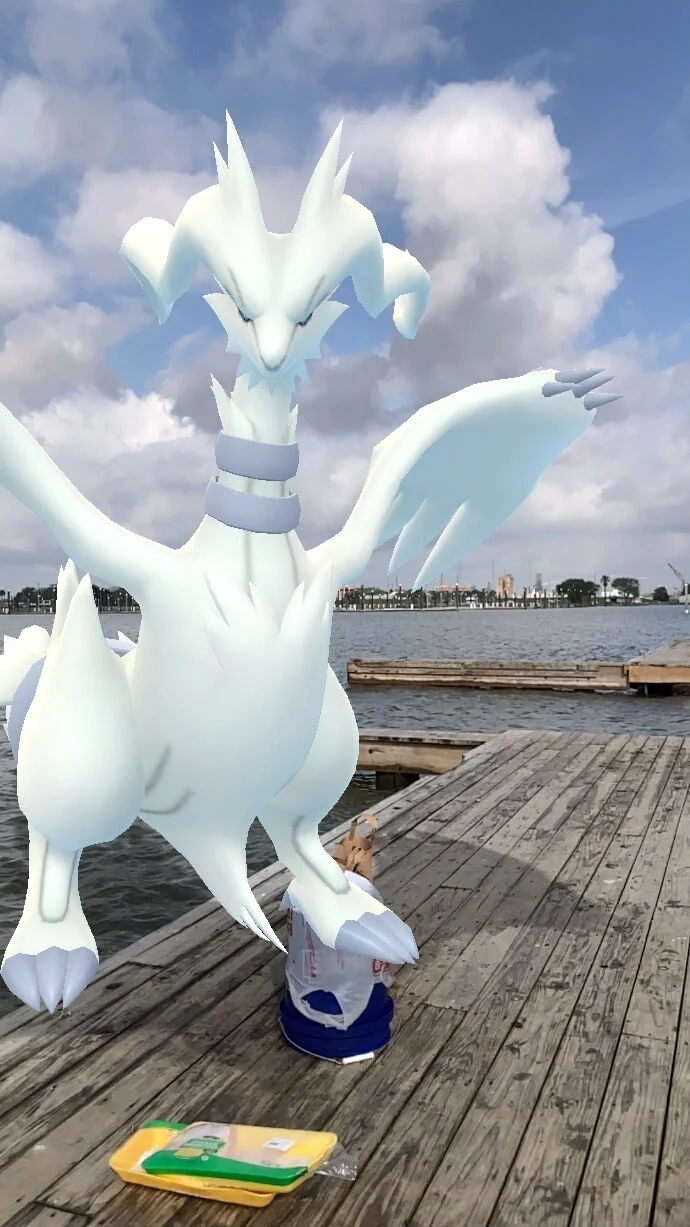
Max has played Pokémon GO on some trips, too, though I’m very wary of letting the kids wander around near the water on their own. Having something else to do helps, but I still want them close by.
Lifejackets for small children also belong on the packing list, along with close adult supervision around the water.
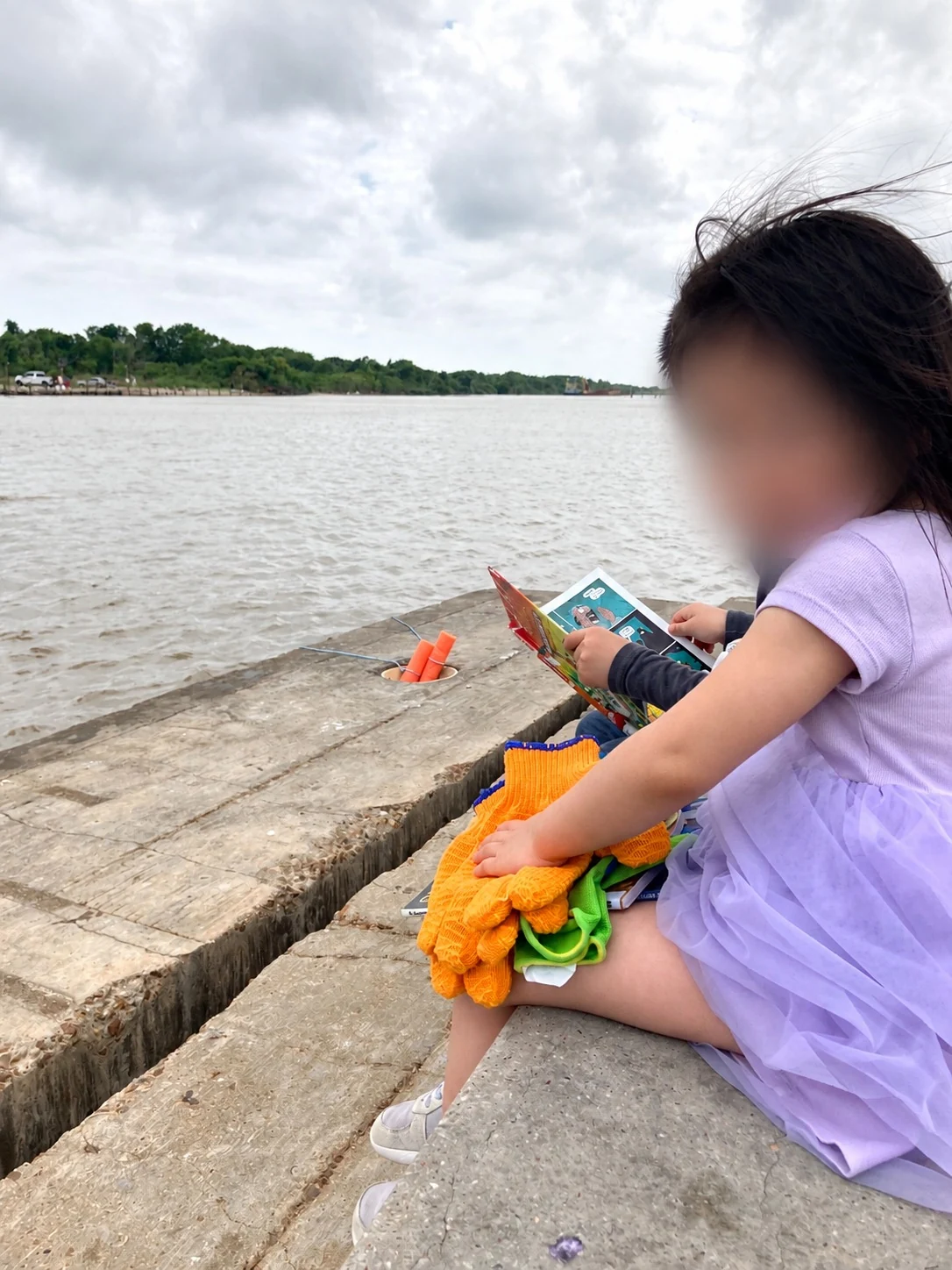
We’re often sharing the space with other adults and children, fishermen and crabbers. I try to give people room and stay aware of their lines and gear, as well as any boat traffic. Depending on the location, that also means watching for wildlife, including alligators and snakes.
With the kids along, I want to keep track of both what they’re doing and what’s happening around us.
Cleaning up
I bring a plastic bag for all my trash, and I usually pick up some that wasn’t mine, too.
After each trip, rinse the traps thoroughly with fresh water. Saltwater corrodes the gear, so a little cleanup is part of getting ready for the next outing.